
Industry-Oriented Learning Experience
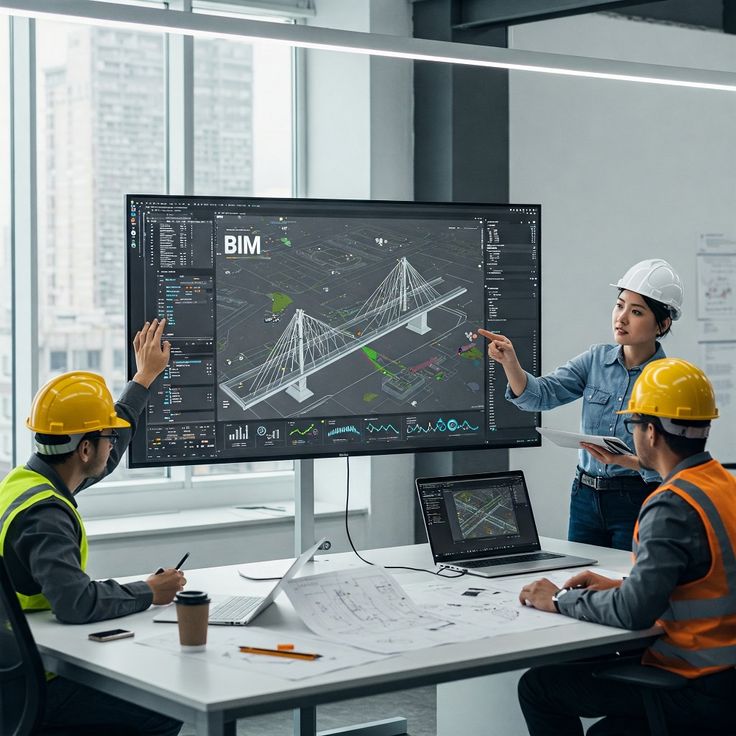
At KCI BIM Training, learning goes beyond classroom theory. Our programs are structured to simulate real construction project environments, allowing students to understand how BIM workflows operate in actual industry settings.
Participants work on live case studies, digital construction models, and collaborative project simulations that reflect the standards followed by leading engineering and infrastructure companies.
This approach ensures students develop both technical expertise and practical problem-solving skills required in modern construction projects.
BIM in Modern Infrastructure Development
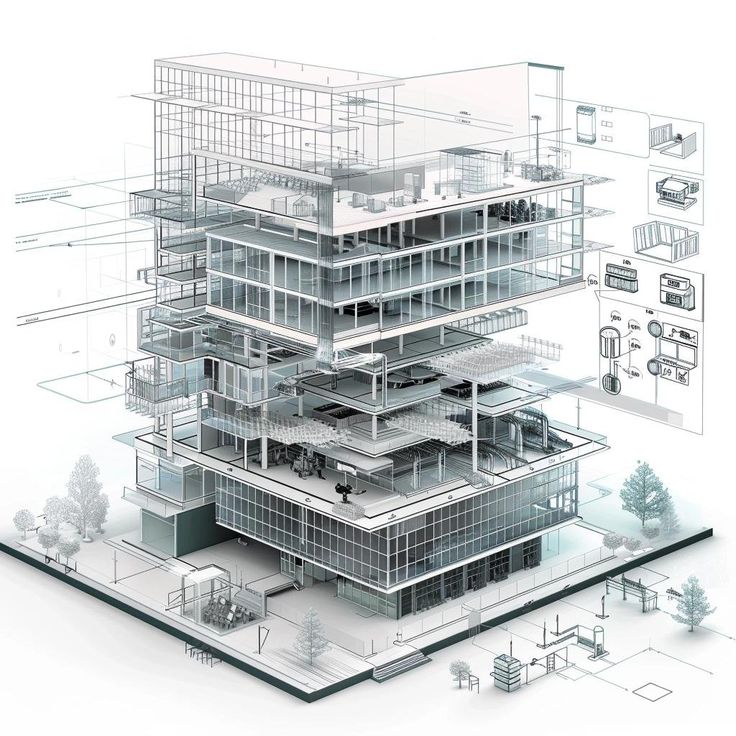
The construction industry is rapidly transforming with the integration of digital technologies and smart construction practices.
BIM plays a crucial role in:
➡️Smart city development
➡️High-rise commercial buildings
➡️Infrastructure projects like bridges and highways
➡️Industrial facilities and manufacturing plants
➡️Sustainable and energy-efficient building design
➡️Through BIM, project teams can visualize, analyze, and optimize building performance even before construction begins, ensuring better decision-making and efficient resource management.
Hands-On Project Training
Our training methodology emphasizes learning by doing.
Students gain practical exposure through:
➡️Digital building modeling exercises
➡️Structural coordination projects
➡️MEP system integration simulations
➡️Construction sequencing and scheduling practice
➡️Clash detection and model validation exercises
➡️These hands-on sessions help students understand how BIM is used to solve real engineering challenges during project planning and execution.
Digital Construction Workflow
BIM is not just about creating 3D models; it represents a complete digital workflow for construction management. During the training, students learn how BIM supports:
Career Pathways After BIM Training
Completing BIM training opens doors to several career roles in the engineering and construction sectors.
Common career paths include:
With the rapid adoption of BIM worldwide, professionals with these skills are highly valued by construction firms, design consultants, and infrastructure companies.
Learning Environment
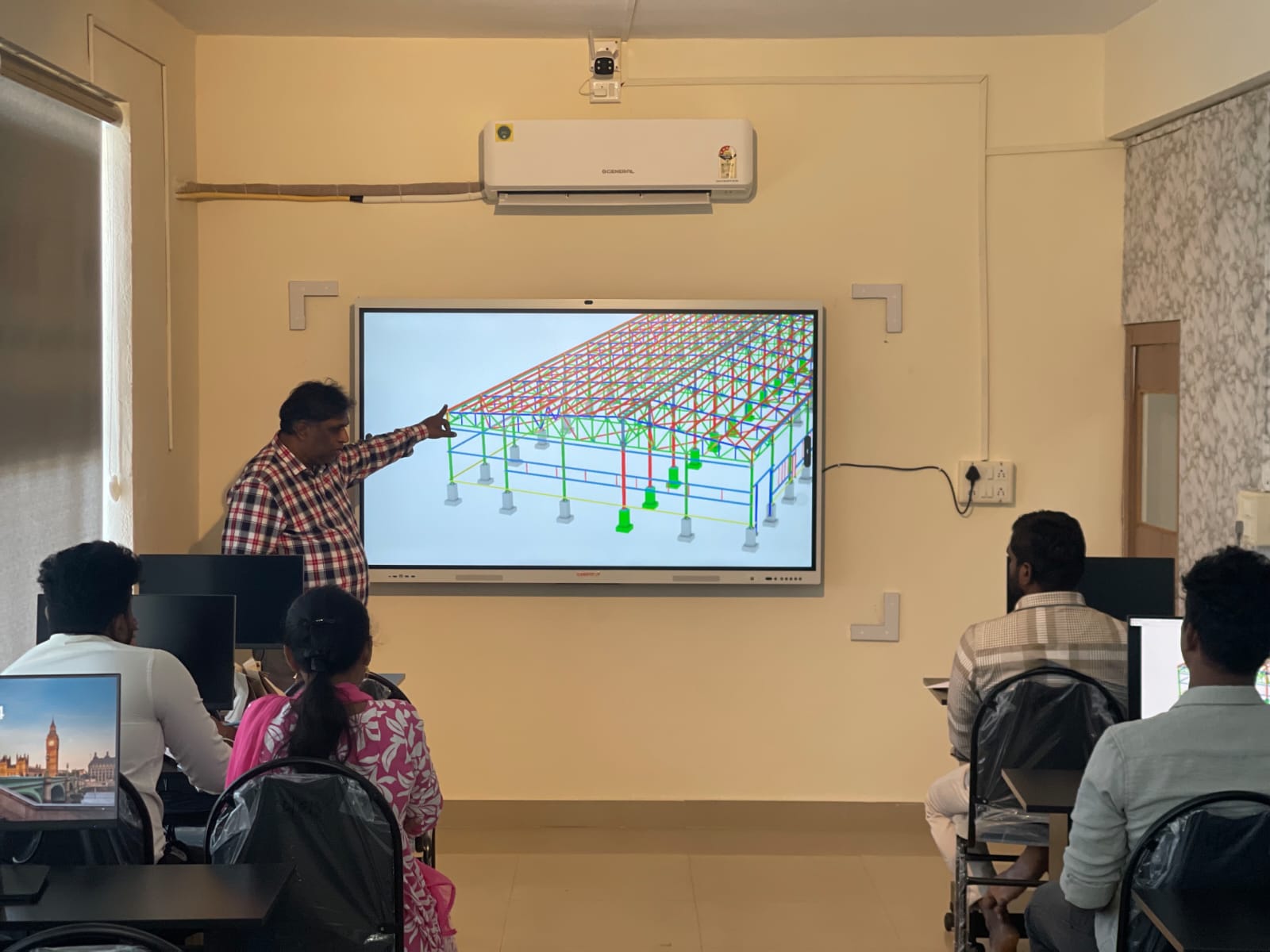
KCI BIM Training provides a professional learning environment equipped with modern digital tools and infrastructure.
Students benefit from:
- Advanced computer labs for BIM software training
- Interactive classroom sessions
- Digital modeling practice environments
- Project-based learning activities
- Continuous mentor support
- This environment encourages students to experiment, collaborate, and develop confidence in handling complex digital construction models.

Training Benefits
Students enrolling in our BIM programs receive several benefits that support both technical development and career growth.
Key benefits include:
- Exposure to real construction workflows
- Hands-on training with industry software
- Understanding of multidisciplinary project coordination
- Practical skills for modern digital construction environments
- Guidance from experienced BIM professionals
- Our objective is to help learners transition smoothly from academic learning to professional engineering practice.
Courses Offered
At KCI BIM Training, our courses are designed to develop practical skills required for modern digital construction projects. The programs are structured to help learners move from fundamental BIM concepts to advanced project coordination techniques, ensuring a complete understanding of industry workflows.
Each course combines technical knowledge, hands-on software training, and project-based learning to prepare students for real-world engineering and construction environments.
Advanced BIM Platforms – Software Tools
At KCI BIM Training, students gain practical experience using industry-standard BIM software tools widely used by global engineering, architecture, and construction companies. These tools enable professionals to design, analyze, coordinate, and manage digital construction projects efficiently.

Architecture | Structure | MEP – Revit

Clash Detection & Project Coordination – Navisworks
Advanced BIM Platforms – Tekla

Advanced BIM Platforms – BIM 360
Future of BIM Technology
Building Information Modeling continues to evolve alongside emerging technologies such as:
- Artificial Intelligence in construction planning
- Digital twins for building lifecycle management
- Cloud-based project collaboration
- Automation in construction documentation
- Sustainable building performance analysis
- Engineers trained in BIM will be at the forefront of this digital transformation, helping the industry move toward smarter, safer, and more efficient construction practices.
Join the Digital Construction Revolution
The future of construction is digital, collaborative, and data-driven. Professionals equipped with BIM knowledge will play a key role in shaping the next generation of infrastructure and building development.
KCI BIM Training empowers students and professionals with the knowledge and tools required to become leaders in digital construction technology.